Campus Digital Signage: How Universities Keep Students Informed & Engaged
By Carousel Digital Signage
The Hardware and Software Built for Higher Ed’s Most Demanding Communication Networks
A modern university operates like a small city. Dozens of academic buildings, residence halls, dining facilities, libraries, athletics venues, admissions centers, and student unions. Tens of thousands of students, faculty, staff, and visitors move between them every hour. Behind it all, there’s a communications team expected to reach every one of them with the right message, at the right time, in the right place.
That’s a tall order for any organization. For higher ed communicators, it’s the daily reality.
The schools doing it well have stopped relying on a patchwork of bulletin boards, email blasts, and one-off displays. Instead, they’re investing in unified campus digital signage networks that connect every building, every department, and every audience under a single platform. When BrightSign’s purpose-built media players and operating system are paired with Carousel Digital Signage’s content management software, universities get a system that’s reliable enough for emergency alerts, flexible enough for dining menus, and simple enough for a student worker to update before lunch.
The Many Jobs of a Campus Communication Network
Campus digital signage encompasses a wide range of utilities and functionalities. Applications of digital signage on a higher ed campus include:
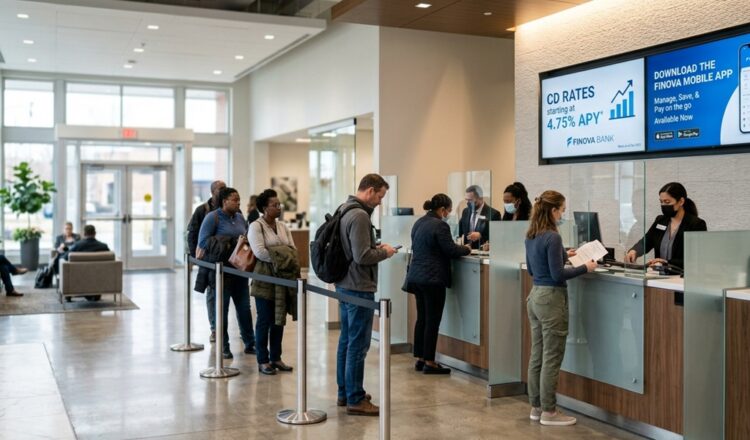
- Welcome and admissions: Looping campus highlights, student stories, and program features in admissions lobbies and visitor centers.
- Wayfinding: Interactive maps and directories can be found throughout the campus, helping guide students, staff, and visitors to their destinations.
- Dining services: Daily menus, allergen information, and hours of operation across cafés and dining halls.
- Athletics: Game-day information, QR codes for ticket purchases, live video feeds, hall-of-fame walls, and interactive kiosks.
- Academic announcements: Exam schedules, guest lectures, registration deadlines, and events.
- Safety and emergency messaging: Campus-wide overrides for severe weather, lockdowns, or evacuations.
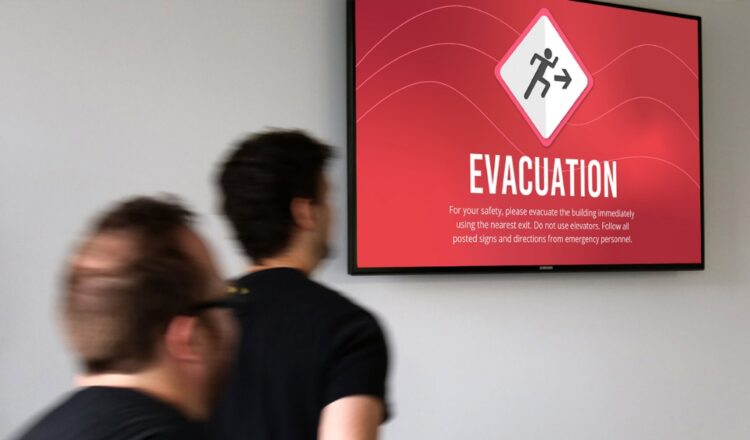
Each audience and each use case have different expectations, and every piece of content carries different stakes. When a dining menu fails to update, it leads to longer lines and wait times, and confused, hungry students. When an emergency alert doesn’t reach every screen, critical safety updates are missed. The signage network has to handle both with the same level of dependability, which is why reliability isn’t just a feature in higher ed, it’s essential. It means every screen shows the right content to the right people at the right time.
BrightSign Hardware: Built for Always-On Campus Demands
BrightSign media players are engineered for tough environments. They work 24/7, running public displays, video walls, outdoor kiosks, and more. Here’s what matters most for universities:
- Reliability at scale: Solid-state hardware with no moving parts, ensuring uninterrupted operation across hundreds of endpoints on a sprawling campus.
- Security by design: BrightSignOS™ is a purpose-built operating system that considerably reduces vulnerabilities and IT overhead associated with patching, updating, and securing devices.
- Multi-zone performance: A single player can play video in one zone, broadcast a live data feed in another, and display full-screen emergency alerts, all without compromising performance.
- Versatile deployments: The same product lineup powers everything from a single 4K screen at a building entrance to a multi-display video wall in a student union to interactive wayfinding touchscreens in a medical school complex.
Carousel CMS: Empowering Distributed Campus Teams
Reliable hardware is just one part of the solution. The people creating and updating content across a university aren’t all professional designers or AV specialists; they’re executive support personnel, librarians, admissions staff, and student employees. They need a content management system (CMS) that’s easy to use and values their time.
That’s where Carousel comes in. Its cloud-based platform is built for digital signage for universities and other distributed environments where the people creating content aren’t all in one place or all at the same level of technical comfort. With Carousel, communications teams can:
- Lock brand templates and color systems centrally, while letting individual departments fill in their own content.
- Use zone-based layouts so different parts of a screen update on different schedules, by different people.
- Automatically update menus, schedules, and announcements by syncing campus calendars and importing RSS feeds, social media, and weather data.
- Integrate with emergency notification systems and Common Alerting Protocol (CAP) feeds for network overrides when seconds matter.
The result: department teams publish their own content without waiting on IT, while central communications retain visibility and brand control across the network.
The Partnership in Practice
What does this look like on a typical day?
At 8:45 a.m., a freshman walks into an unfamiliar academic building for her first class of the semester. An interactive wayfinding kiosk in the lobby helps her find the room and, on the way out, points her toward the nearest dining hall for lunch.
In a residence hall lobby, looping content welcomes students to the day’s events and dining specials — automatically pulled from the student affairs calendar and the dining services feed — alongside a rotating gallery of campus-life photos curated by the residence life team.
In the dining hall, a manager updates the soup of the day from her phone before the lunch rush. The change appears on every screen across her facility within seconds.
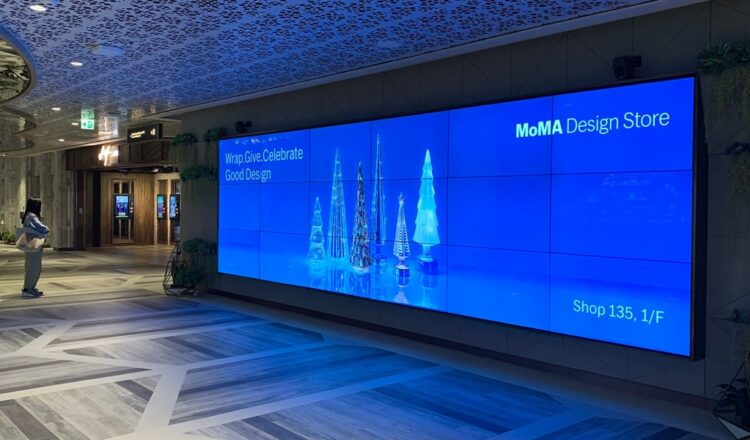
In an admissions reception area, a video wall plays a curated reel of campus life for visiting families, with the day’s campus tour schedule running alongside it. The schedule pulls from the campus calendar, and the reel refreshes in the CMS when a user replaces the video.
At 2:14 p.m., severe weather alerts are triggered from the campus emergency system. Within seconds, every screen across campus switches to a shelter-in-place message with location-specific instructions. When the all-clear comes through, normal content resumes automatically.
The same network that helped a freshman find her classroom that morning just helped the entire campus respond to an emergency. That’s the value of a unified system.
A Foundation for the Future of Campus Communications
Universities are built to last for generations. Their communications infrastructure should be, too. By combining BrightSign’s purpose-built reliability with Carousel’s flexible content management and training solutions, higher education institutions receive a digital signage platform that scales with enrollment, adapts to new buildings and use cases, and relieves IT from daily content requests and support tickets. This is achieved with BrightSign players that can deploy in minutes and by passing software onboarding and training responsibilities to Carousel, allowing IT teams to concentrate on strategic infrastructure work. The result is a lower total cost of ownership, less complexity for campus communicators, and a clearer, more consistent experience for everyone who steps onto campus.
Ready to modernize your campus communications network?
Connect with BrightSign or Carousel to see how our combined hardware and software solution can unify your campus, simplify your team’s workflow, and bring clarity to every corner of your university.